In distribution, knowing your customer is more than having a name and phone number in a database. For manufacturers, distributors and wholesalers, accurate customer information is the foundation for better sales, deliveries, credit management and long term customer relationships.
This is why Customer KYC, or Know Your Customer, is becoming an important part of modern distribution.
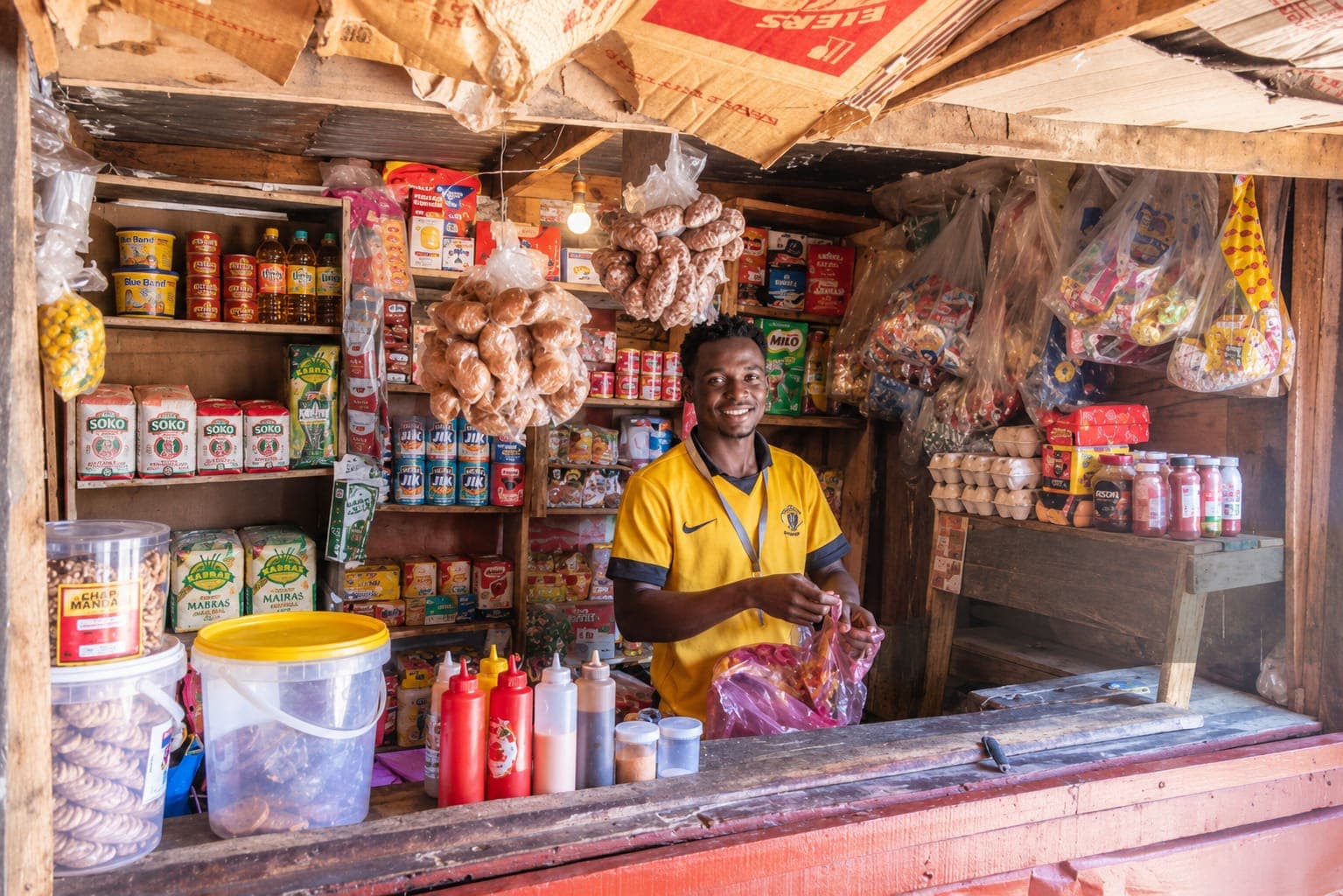
At the last mile, businesses often serve thousands of outlets across different locations and customer categories. A customer could be a kiosk, duka, minimart, wholesaler, pharmacy, restaurant, hotel or catering business. Without standardized information, managing these customers can quickly become difficult.
Creating a Complete Customer Profile
Metro Dispatch enables businesses to build structured customer profiles containing the information needed to understand and serve each outlet effectively.
A customer profile can include the registered business name and trading name, owner or contact person, verified mobile number, national ID or business registration information, and KRA PIN where commercially required.
The system can also classify the outlet according to its type and channel. This allows a distributor to distinguish between different customer segments and understand how products are moving across the market.
Instead of having a database filled with incomplete or inconsistent records, every customer can be represented using a standardized profile.
Knowing Where Your Customers Are
Location is equally important in distribution.
Metro Dispatch can capture the physical address of an outlet together with details such as the landmark, estate, ward, sub county and county. GPS coordinates can also be captured automatically when the customer is registered at the outlet.
This gives businesses a clearer picture of their distribution footprint.
An outlet is no longer simply a name on a spreadsheet. The business can associate the customer with a real location, making it easier to plan sales activities, organize deliveries and understand customer coverage across different territories.
Outlet photographs can provide another layer of verification by capturing the storefront and signage.
Better Customer and Credit Management
Customer KYC also supports better commercial decisions.
A distributor can record important information such as the customer’s preferred payment method, credit status and agreed credit limit where applicable.
This creates greater visibility when managing orders and customer relationships.
Instead of relying on informal knowledge about which customers receive credit, the business can maintain a structured record that can support more consistent decision making.
Protecting Customer Information
Good KYC is not simply about collecting as much information as possible.
It is about collecting the right information for the right business purpose and protecting it appropriately.
Customer information should be collected with appropriate consent, while sensitive information should be encrypted and access controlled. Businesses should also limit collection to information that is necessary for their operations.
This approach helps create a balance between operational visibility and responsible handling of customer information.
Turning Customer Data Into Distribution Intelligence
When customer information is structured and connected to sales, orders, inventory and deliveries, it becomes much more valuable.
A distributor can understand where its customers are located, which outlet types are purchasing particular products, which territories are generating demand and how customer relationships are developing over time.
That is the real value of Customer KYC.
It is not simply about verifying who the customer is.
It is about creating a reliable foundation for the entire distribution relationship.
With Metro Dispatch, customer registration becomes part of a connected distribution workflow, helping businesses move from fragmented customer records to verified, structured and actionable customer information.
At the last mile, knowing your customer is the first step toward serving them better.